Learn7 min read
Vata-Pacifying Diet: Ayurveda's Warm, Grounding Approach
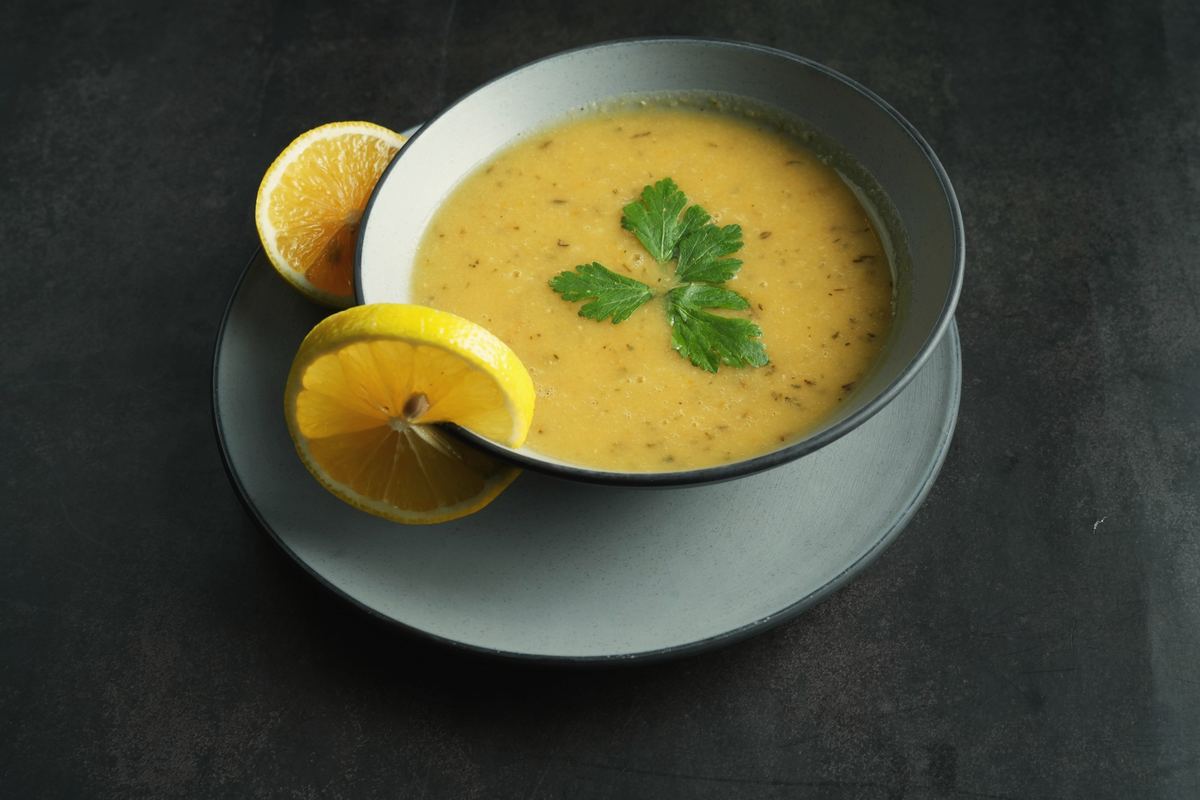
The vata-pacifying way of eating: warm, cooked, nourishing foods and steady mealtimes from the classical taste rules, with simple cautions.
In short
- Vata is described as dry, light, cold and moving, so tradition balances it with the opposite.
- That means warm, cooked, moist food, served at regular times.
- Soft dal, rice, cooked vegetables and a spoon of ghee make the classic plate.
Try this today
Swap one cold or raw meal today for something warm and cooked, like moong dal and rice.
Author: Swastik Editors Editorial review: Swastik Editors
The vata-pacifying diet is not a menu copied from an old manuscript. It is one classical principle applied at the table: like increases like, and opposites calm. Everything else follows from what vata is said to be. Get the qualities right and the food list writes itself.
What are vata's qualities, and why do opposites calm them?
Classical Ayurveda describes vata with six qualities: dry (ruksha), light (laghu), cold (sheeta), rough (khara), subtle (sukshma), and mobile (chala), a list attributed to the Ashtanga Hridayam (Sutra Sthana 1/11). In the traditional view, its imbalances echo its qualities: dryness, irregular digestion, restlessness. (Harivedi R et al., J Ayu Int Med Sci 2025)
The governing rule comes from Charaka's Rasa Vimana: tastes provoke the doshas they resemble and pacify the ones they are contrary to, by virtue of similar and dissimilar properties, and proper use of tastes according to constitution maintains health (Abstracts of Vimana Sthana, Charaka Samhita Online). So the traditional answer to dry, light, cold, and mobile is food that is unctuous, heavy, warm, and steady. A 2025 peer-reviewed review of Ayurvedic vata management states this directly: foods that are snigdha (unctuous), ushna (warm), and guru (nourishing and heavy) pacify vata (Harivedi R et al., J Ayu Int Med Sci 2025). This is the traditional Ayurvedic view, not a clinical finding. If you are new to the dosha framework, the vata dosha guide covers the basics.
Which tastes pacify vata, and which aggravate it?
The classical pairing is crisp. Sweet (madhura), sour (amla), and salty (lavana) pacify vata; pungent (katu), bitter (tikta), and astringent (kashaya) aggravate it, a mapping attributed to Charaka (Sutra Sthana 1/66 and Vimana Sthana 1/6). The 2025 review of classical vata management repeats the same pairing, adding that pungent, bitter, and astringent foods aggravate vata while sweet, sour, and salty tastes pacify it (Harivedi R et al., 2025).
One clarification matters. "Sweet" here does not mean dessert. In this scheme the sweet taste means grains, milk, ghee, and ripe fruit. "Sour" means things like lime and tamarind; "salty" means properly salted, well-cooked food.
What does a vata-pacifying plate actually look like?
Warm, freshly cooked, moist, and served at the same times each day. Rice, wheat, and cooked oats anchor the plate; mung dal and red lentils are the preferred legumes, cooked until soft; vegetables are cooked soft and finished with ghee or sesame oil; fruits are sweet, ripe, and juicy, with dried fruits soaked before eating. Spices lean mild and warming: ginger, cumin, fennel, hing (asafoetida). The 2025 review names warm milk and a spoon of ghee among the stabilizing foods, alongside rice and wheat preparations (Harivedi R et al., 2025).
Kitchari is the one-dish summary of all of this. Rice and split mung dal cooked soft together in one pot with turmeric and cumin: warm, cooked, moist, nourishing, and simple to digest.
Routine is treated as part of the diet, not an accessory. The same Vimana Sthana chapter that describes the tastes lays out eight factors of dieting and twelve guidelines about eating food, which the classical-text project describes as criteria for sorting food into wholesome and unwholesome (Charaka Samhita Online). The 2025 review likewise stresses regular routine as vata management, avoiding late nights and irregular habits alongside the food (Harivedi R et al., 2025). In practice: eat at regular hours, sit down to eat, sip warm water through the day instead of iced drinks, and keep your mealtimes regular (see the agni and digestion guide).
The tradition says to reduce: cold cereals, crackers, rice cakes, and dry snacks; raw salads and raw vegetables in quantity; large dry beans; anything eaten on the run. Light, dry, cold, and raw are vata's own qualities, so they go first.
Who should be careful with this diet?
Most of the cautions come from where the classical advice meets modern conditions.
Diabetes. The sweet-taste emphasis means whole grains and fruit in the classical sense, but the same review that recommends sweet foods also names honey, jaggery (guda), and sugar (sharkara) as stabilizing, which is a very different proposition for someone with diabetes (Harivedi R et al., 2025). If you take diabetes medication, do not shift your carbohydrate load on the basis of an Ayurvedic food list; do it with your clinician.
Acid reflux and GERD. There is a genuine conflict here. The oily and sour foods this diet favors, fried food, full-fat dairy, citrus fruits, tomatoes, are recognized heartburn triggers in conventional patient guidance (Penn State College of Medicine heartburn guide). If you have reflux, keep the warm, cooked, regular-mealtime structure, but pull back on the sour and oily elements, and keep your prescribed treatment.
Blood pressure. The salty taste is traditionally vata-pacifying, but heavy salting is the wrong move for anyone managing hypertension. Adapt the tradition to your body, not the other way around.
The general safety framing from the US National Center for Complementary and Integrative Health applies: Ayurvedic practices are not risk-free, and anyone with a health condition should discuss changes with their clinician (NCCIH, Ayurvedic Medicine: In Depth). Food is lower-risk than supplements, but diet changes that shift your sodium, fat, or carbohydrate intake are still medical changes.
Sources and details
The research in brief
The vata-pacifying diet applies a classical rule, like increases like and opposites calm: because vata is dry, light, cold, and mobile, the traditional counter is food that is warm, cooked, moist, nourishing, and served on time. Sweet, sour, and salty tastes are traditionally favored; bitter, pungent, and astringent are reduced. No clinical trial has tested the diet as a whole; it rests on classical theory and practitioner experience, not modern evidence.
More key points
- Vata is classically described as dry, light, cold, rough, subtle, and mobile (A.Hr. Su. 1/11); the traditional diet counters those qualities with food that is warm, cooked, oily, and nourishing.
- The classical taste rules pair sweet, sour, and salty tastes with pacifying vata, and bitter, pungent, and astringent with aggravating it (Charaka, Sutra Sthana 1/66; Vimana Sthana 1/6).
- Routine is part of the diet: regular mealtimes, warm water through the day, cooked food over raw, and generous use of fats like ghee and sesame oil.
- Kitchari, rice and split mung dal cooked soft with mild spices, is the traditional one-pot example of all these principles at once.
- No randomized trial has tested a vata-pacifying diet as an intervention. The evidence is classical theory plus small observational work, not clinical proof.
What does the research actually say, and what is missing?
Plainly: no randomized trial has tested a vata-pacifying diet as an intervention. Not one. The entire dietary framework above rests on classical theory and centuries of practitioner experience, which are not clinical evidence.
The closest modern literature is adjacent, not direct. A 2025 systematic review of prakriti-based dietary interventions, ten studies, reported improvements in BMI, lipids, fasting glucose, and blood pressure (J Chem Health Risks, 2025). The honest caveats are large: a low-ranking journal, heterogeneous small studies, none testing a vata-pacifying diet as such, and the authors themselves call for further research. It is a signal, not a verdict.
Beyond that, dosha research is mostly observational, not interventional. None of the modern literature above - and no trial to date - tests a vata-pacifying diet itself as the intervention.
NCCIH's overall position on Ayurvedic medicine is that research is limited and that most safety concerns attach to products, particularly preparations containing metals, rather than to dietary practices (NCCIH). That matches the shape of this guide: food and routine are low-risk to try, and their specific effects on vata are unproven.
If your constitution or imbalance runs toward the dry, light, cold, and restless, eating warm, cooked, nourishing food at regular hours is sensible and low-risk. Whether it does anything specifically "vata-pacifying" beyond the benefits of regular home cooking is untested. For how dosha constitutions are understood in the tradition, see the prakriti guide; for how the diet shifts with the calendar, see ritucharya, the seasonal routine.
Frequently asked questions
Can I follow a vata-pacifying diet if I have diabetes?
With caution and a clinician's input. 'Sweet' in this framework means whole grains, cooked oats, milk, and ripe fruit, not added sugar, and the review of classical vata management lists honey, jaggery, and sugar among stabilizing foods only in the traditional sense. If you take diabetes medication, do not increase carbohydrate-rich meals without talking to your doctor, since the sweet emphasis was designed for a different purpose than blood-sugar control.
What is kitchari, and why is it linked to vata?
Kitchari (khichdi) is a soft one-pot dish of rice and split mung dal cooked together with mild spices such as turmeric and cumin. It embodies the vata-pacifying principles in a single bowl: warm, cooked, moist, nourishing, and easy to digest. No trial has tested kitchari itself as an intervention; it is a traditional staple, not a proven therapy.
Are raw salads really bad for vata?
In the traditional view, yes, in excess: salads are cold, dry, rough, and light, which matches vata's own qualities and therefore aggravates it. The counter is vegetables cooked soft with a little ghee or oil and warming spices. That said, this is a classical dietary theory. No clinical study has compared raw versus cooked vegetables for people with vata-predominant constitutions, so treat it as traditional guidance, not a proven rule.
Is there any scientific proof the vata diet works?
No. There is no randomized trial testing a vata-pacifying diet as an intervention. The closest modern literature is a 2025 systematic review of prakriti-based dietary interventions (10 studies) reporting improvements in weight, lipids, fasting glucose, and blood pressure, but the journal is low-ranking, the studies were heterogeneous and small, none tested vata-pacifying diet specifically, and the authors call for further research. Honest verdict: untested, not disproven.
I have acid reflux. Can I still eat this way?
The oily foods and sour tastes this diet favors, fried food, full-fat dairy, citrus, tomato, are recognized heartburn triggers in conventional patient guidance. That is a real conflict: the traditional sour-and-oily prescription can aggravate reflux. If you have GERD, keep the warm, cooked, regular-mealtime structure, but ease back on the sour and oily elements, and do not stop any prescribed reflux treatment in favor of a diet.
Do I need all six tastes at every meal?
The classical texts emphasize the six tastes, madhura (sweet), amla (sour), lavana (salty), katu (pungent), tikta (bitter), kashaya (astringent), as a property of every substance and warn that improper use of tastes provokes the doshas. For vata, the practical reading is simpler: anchor meals in sweet, sour, and salty tastes, use bitter, pungent, and astringent as seasoning accents rather than the main event. This is the traditional view (Charaka, Sutra Sthana 1/65), consistent with the classical-text project abstracts.
Sources
- Charaka Samhita Online - Abstracts, Vimana Sthana (ITRA Jamnagar classical-text project)
- Harivedi R, Monika, Unnikrishnan S, The role of Ayurveda in preventing and managing Vata related disorders (J Ayu Int Med Sci, 2025) - peer-reviewed review
- NCCIH - Ayurvedic Medicine: In Depth
- Systematic review of Prakriti-based dietary interventions (J Chem Health Risks, 2025) - review of 10 studies
- Penn State College of Medicine - Heartburn patient guide (trigger foods)
Educational only. This guide is not medical advice. Talk to a qualified practitioner or your doctor before changing your routine, especially if you are pregnant, nursing, managing a health condition, or taking medication.